
Our Challenges
and Opportunities
As Minnetonka grows and evolves, the city has an opportunity to reinvest in aging facilities and community assets to ensure they continue to meet residents’ needs today and in the future.
On this page: FIRE STATIONS TRAILS THE MARSH OPUS
Fire Stations
Facilities Built for a Different Time
Fire Station 2 (1815 Hopkins Crossroad) and Fire Station 3 (5700 Rowland Road) were built in 1974 and 1986 respectively, and no longer fully support modern firefighting and emergency response standards.
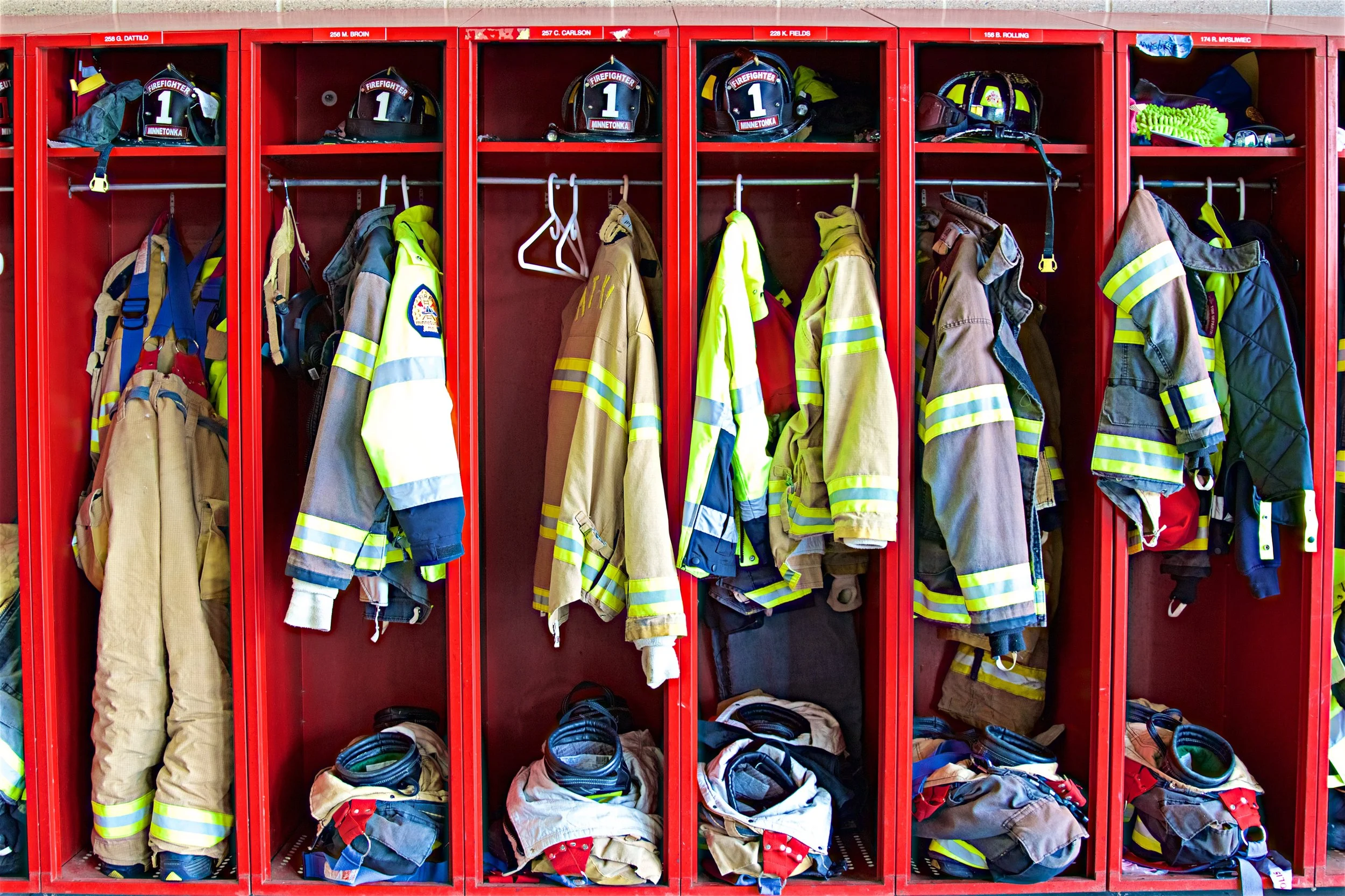
The layout and design of both fire stations reflect an earlier era of fire service operations. They were not built to support today’s 24-hour staffing model or modern health and safety practices, and they lack the building systems needed to fully protect firefighters from on-the-job hazards.
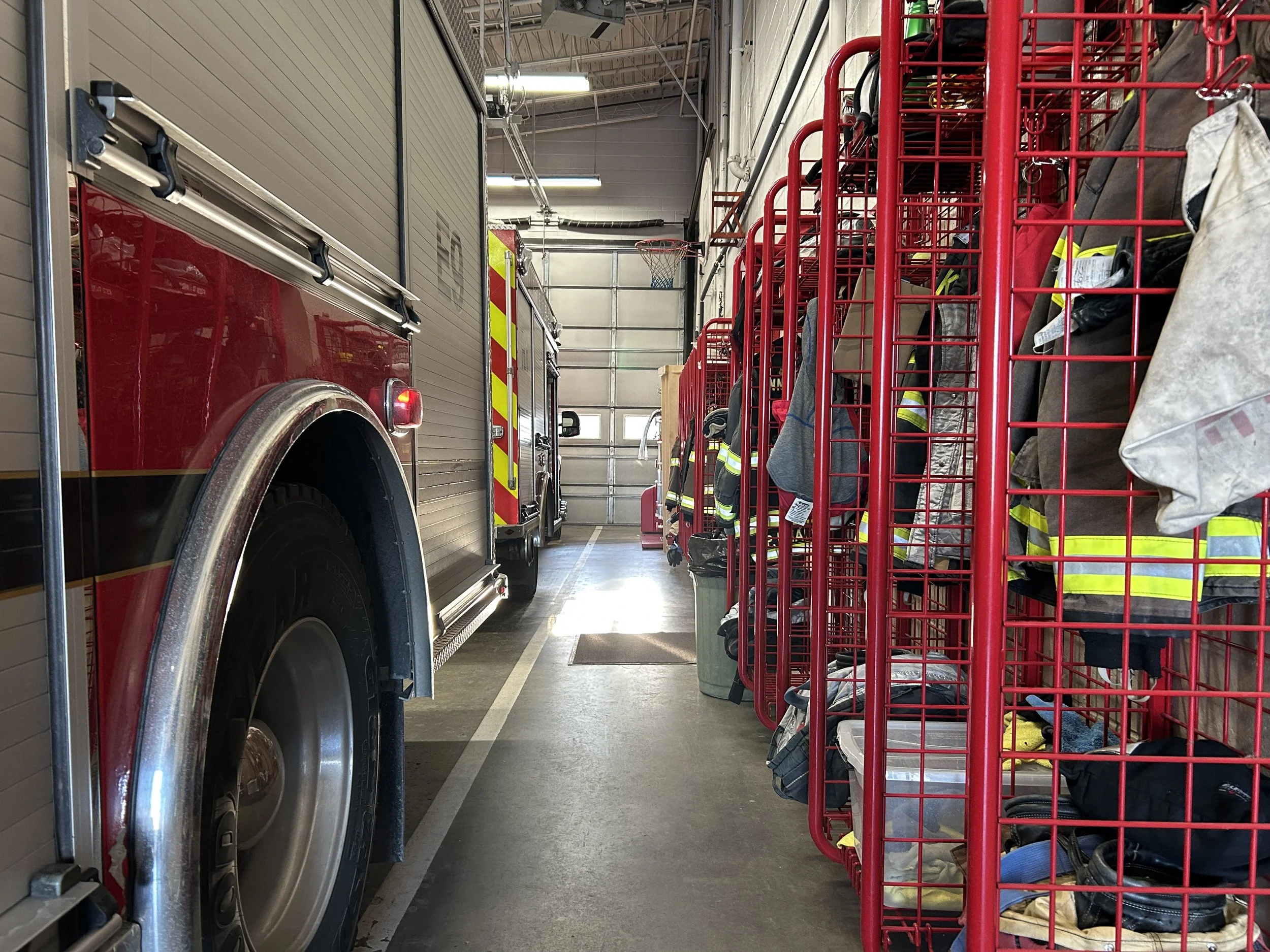
As a result, both stations are missing key features required for today’s fire service. Living and recovery areas are limited for on-duty crews, air filtration systems are outdated or insufficient to remove contaminants, and garage space is constrained for modern equipment and proper gear decontamination.
These limitations affect firefighter safety, readiness and long-term health. Without adequate space for rest, proper ventilation and safe decontamination, firefighters face increased exposure risks and reduced operational efficiency — which can impact both emergency response and overall wellness.
Trails
Connection Gaps and Limited Access
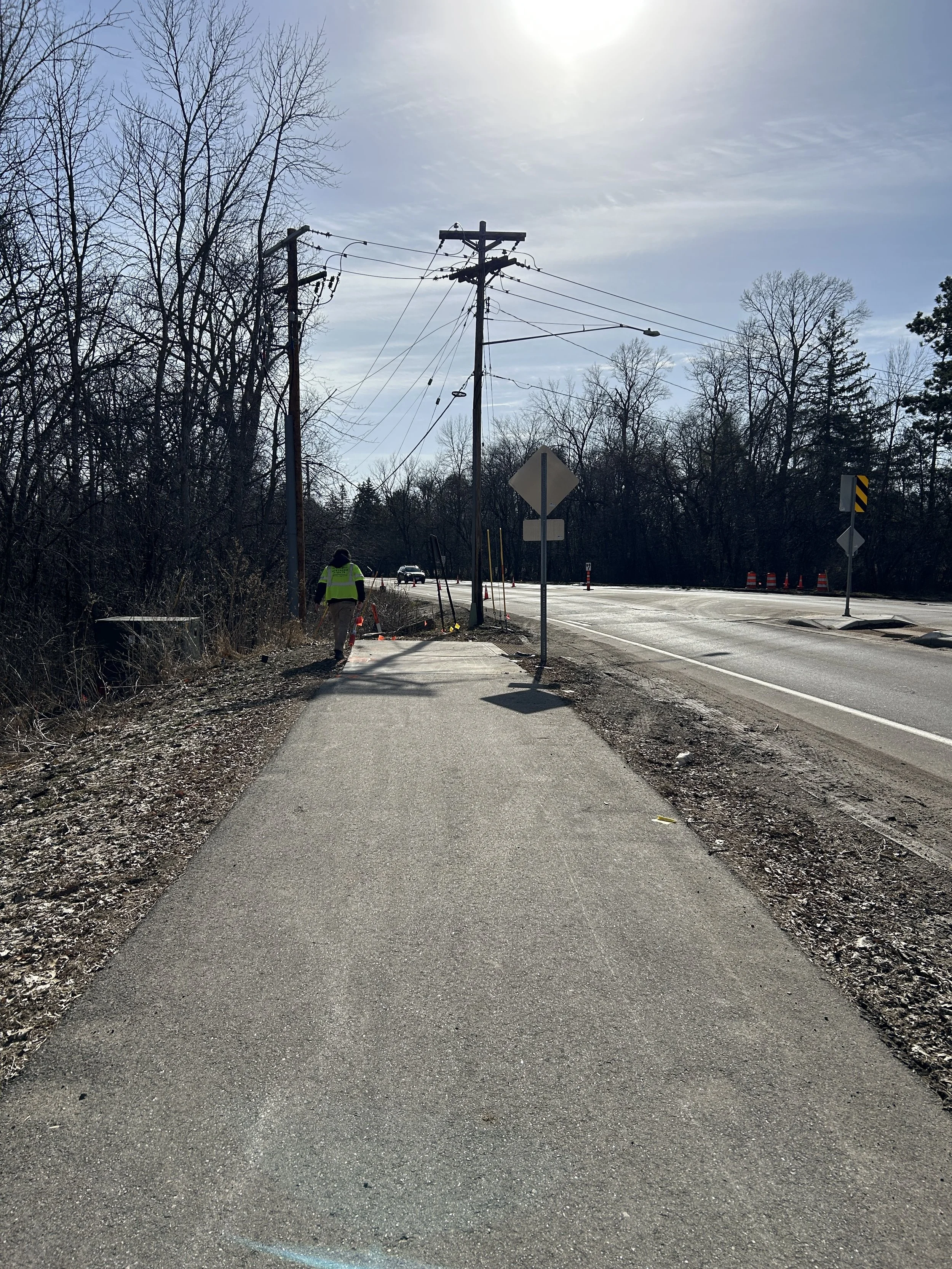
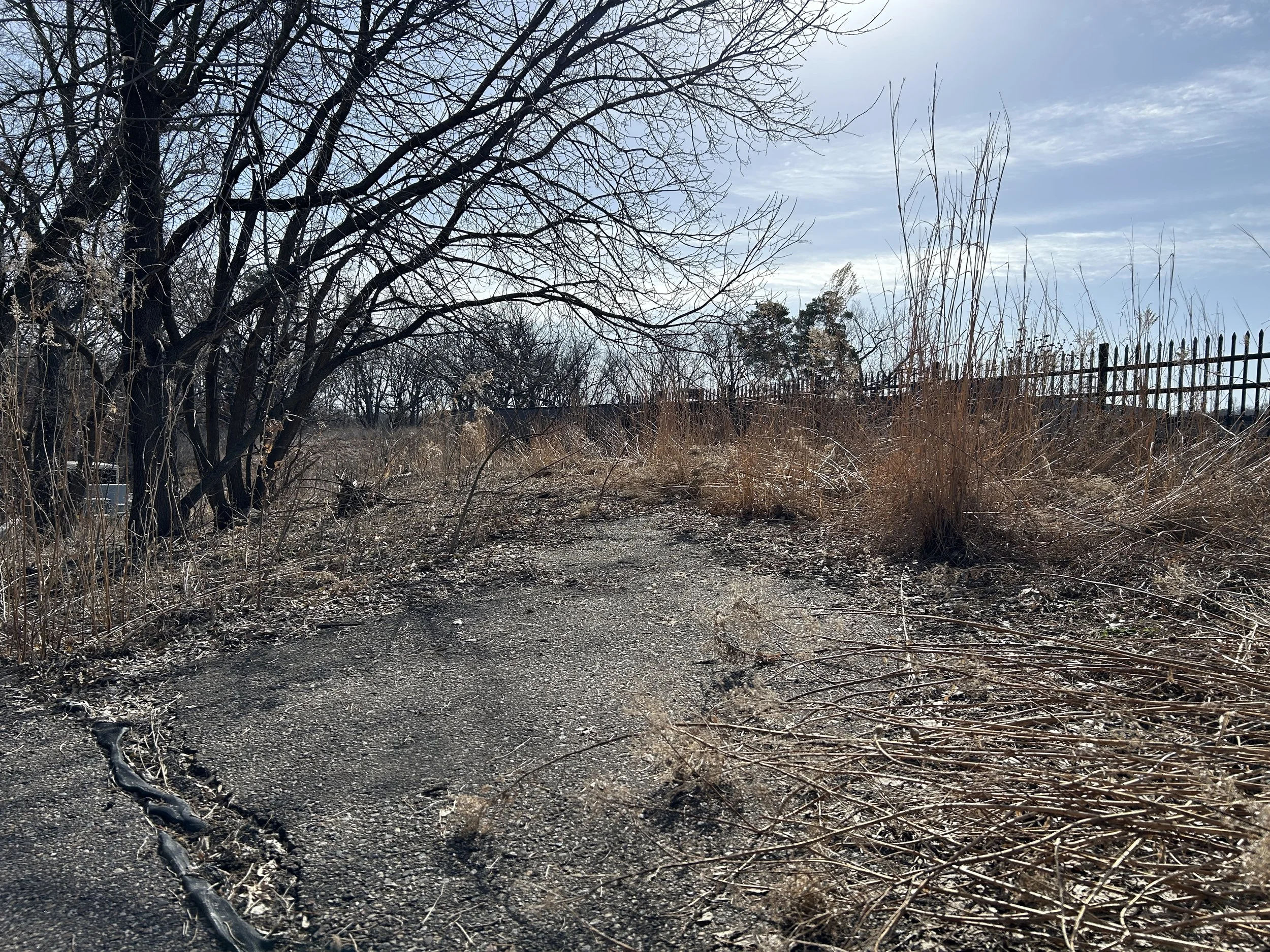
Minnetonka’s regional trail system is heavily used by residents and visitors. Disconnected trail segments create access challenges and limit the effectiveness of this popular transportation and recreation resource.
Closing Key Regional Gaps: Several regional trails run through Minnetonka, but missing segments prevent them from functioning as a seamless corridor. There is an opportunity to close gaps between the Lake Minnetonka Regional Trail, the Minnesota River Bluffs Regional Trail, and the coming 2027 Maple Grove–to–Bryant Lake in Eden Prairie corridor.
Improving Citywide and Regional Connectivity: More than 110 miles of local trails link neighborhoods, schools, parks, job centers and major destinations like Ridgedale Center and Opus. Completing the city’s Trail Improvement Plan strengthens this network and enhances regional access to employment, amenities and transit.
The Marsh
Restoring a Valued Community Resource
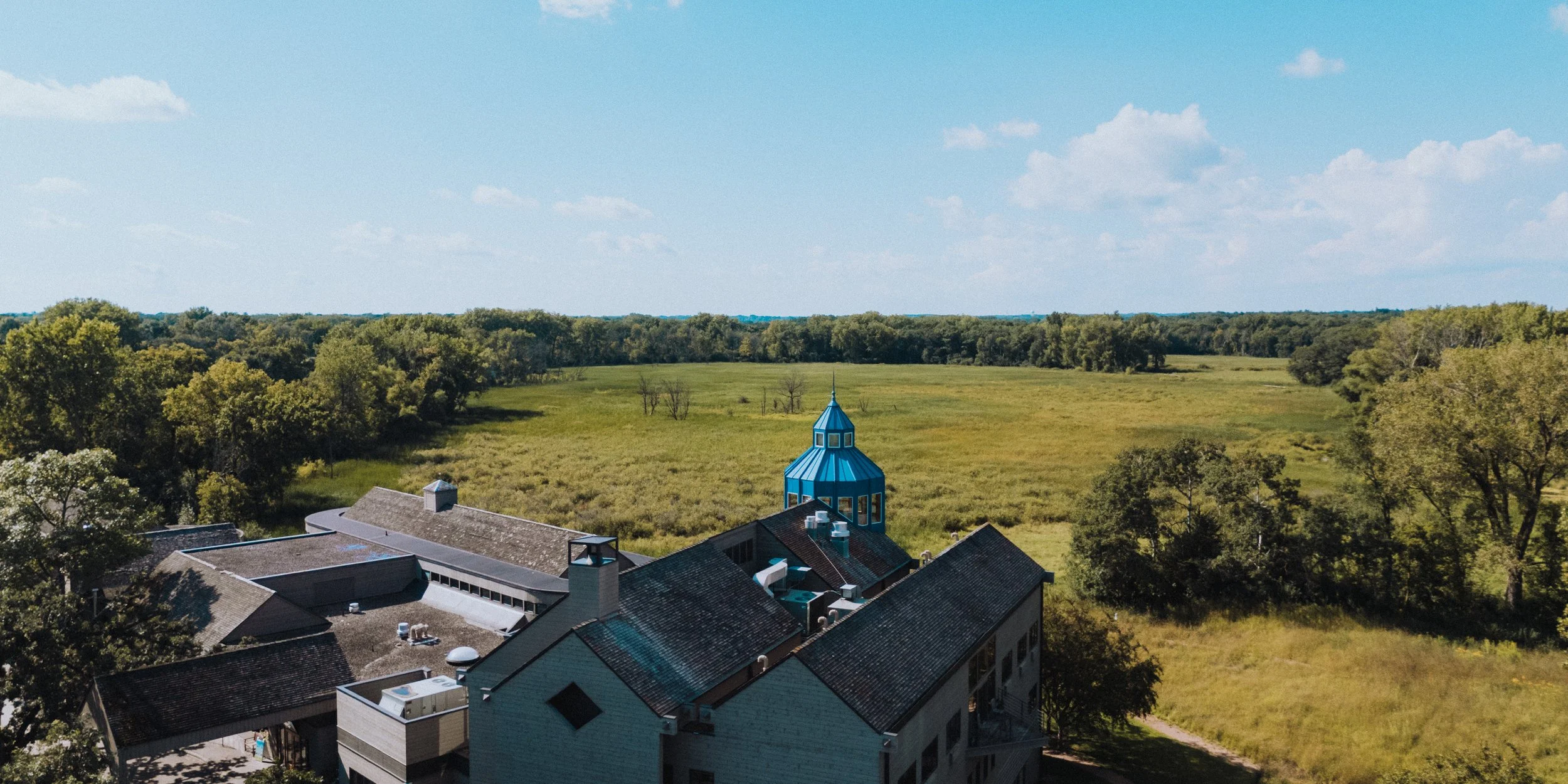
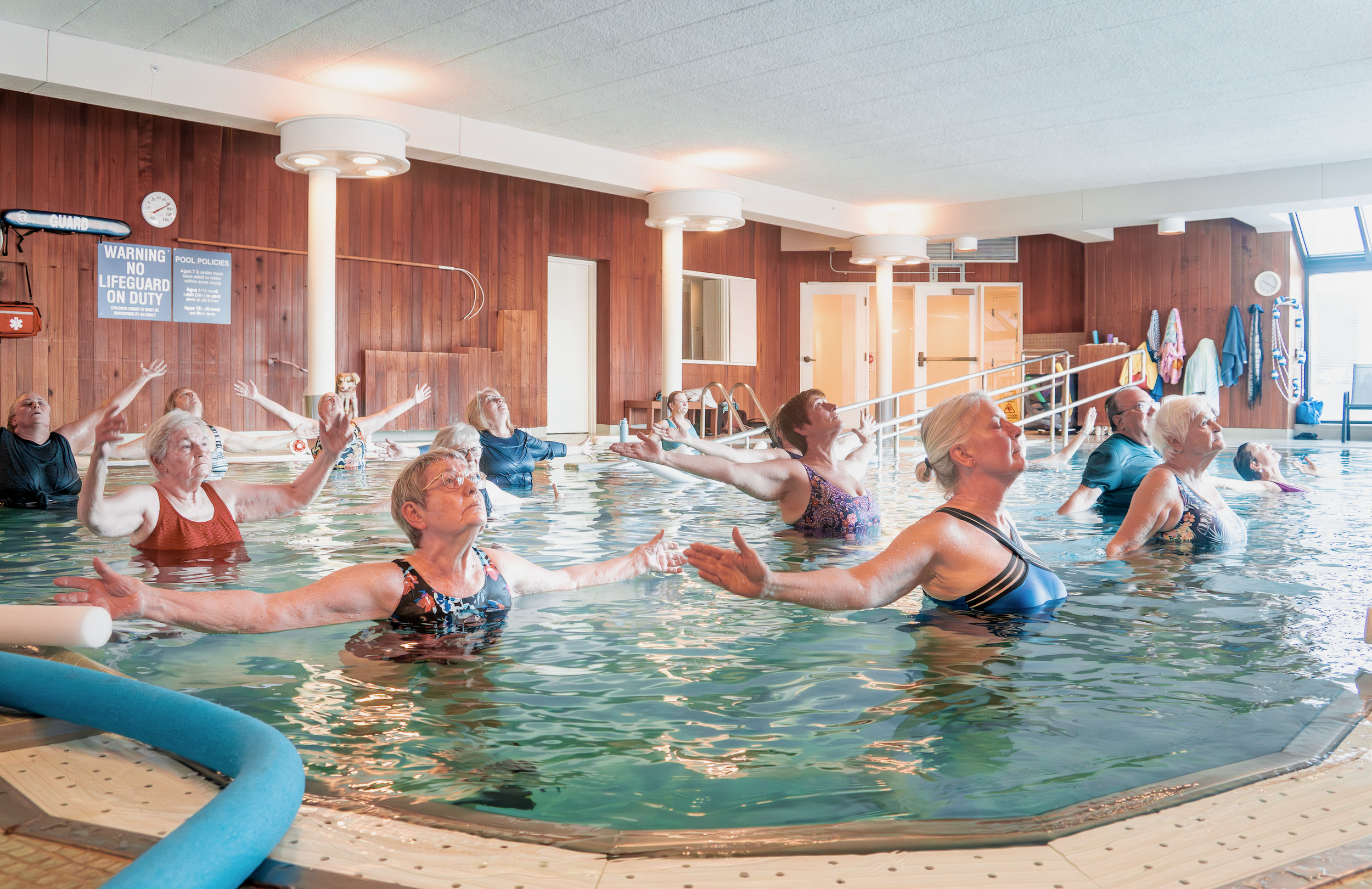
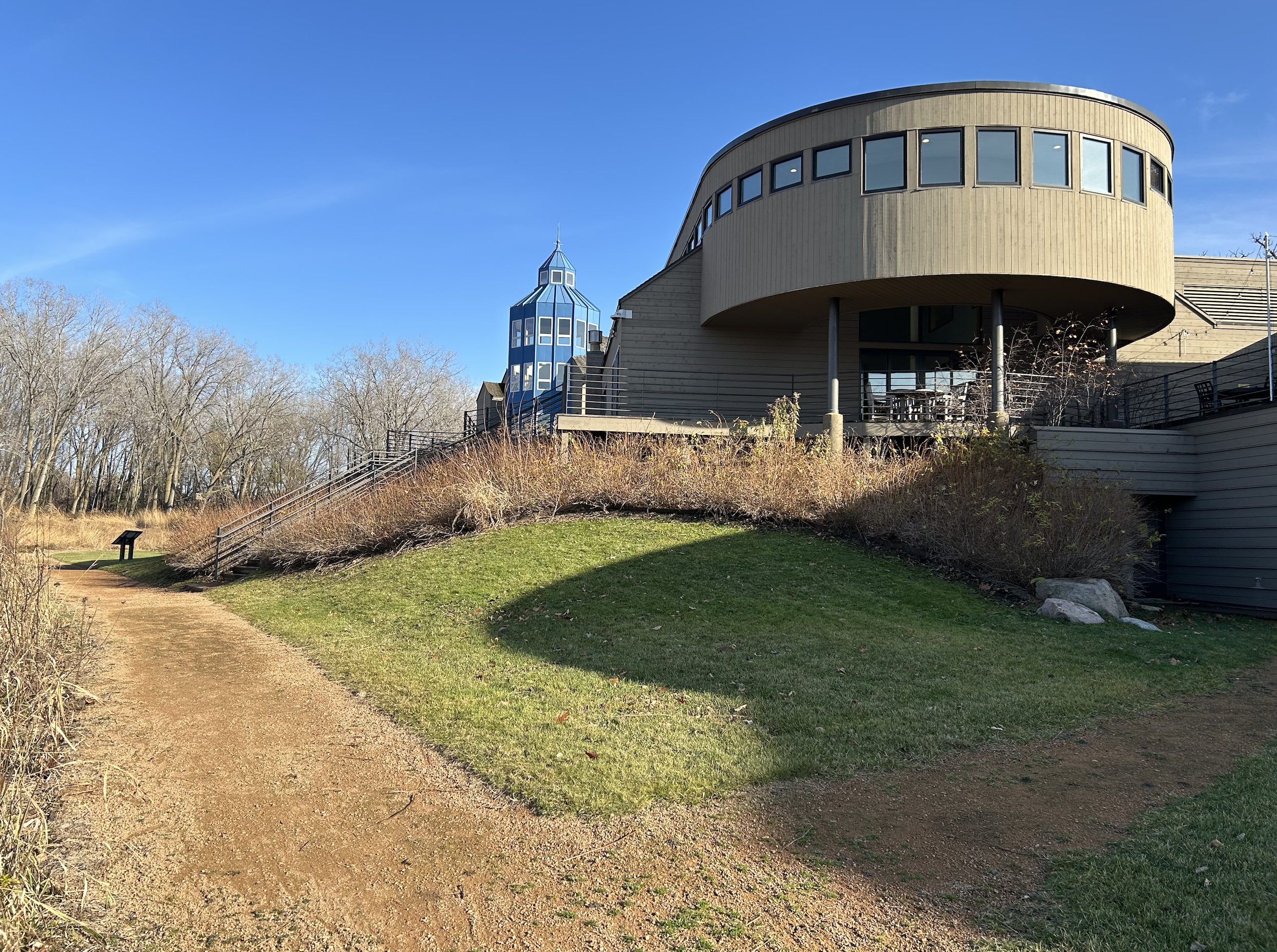
Today, aging infrastructure, accessibility limitations and growing demand create challenges and opportunities for improvement for The Marsh wellness center, a unique and highly-valued community and regional resource.
Aging infrastructure requires significant repair and replacement. Key components of the facility, including the therapeutic pool, roof, exterior and deck areas, have reached the end of their useful life and need to be repaired or replaced to ensure long-term reliability and safety.
Interior spaces need modernization to improve efficiency and the user experience. Lighting, flooring, finishes and technology are outdated and require updates to better support programming and create a welcoming, high-quality environment.
Accessibility and code compliance upgrades are necessary. Locker rooms and other areas need improvements to meet current ADA standards and building codes, ensuring the facility is accessible and usable for all residents.
Growing demand has outpaced existing space. Wellness, retail, conference and community areas are constrained, limiting the facility’s ability to meet member demand and fully support programming and services.
Opus
A Growing Area with No Community Gathering Space
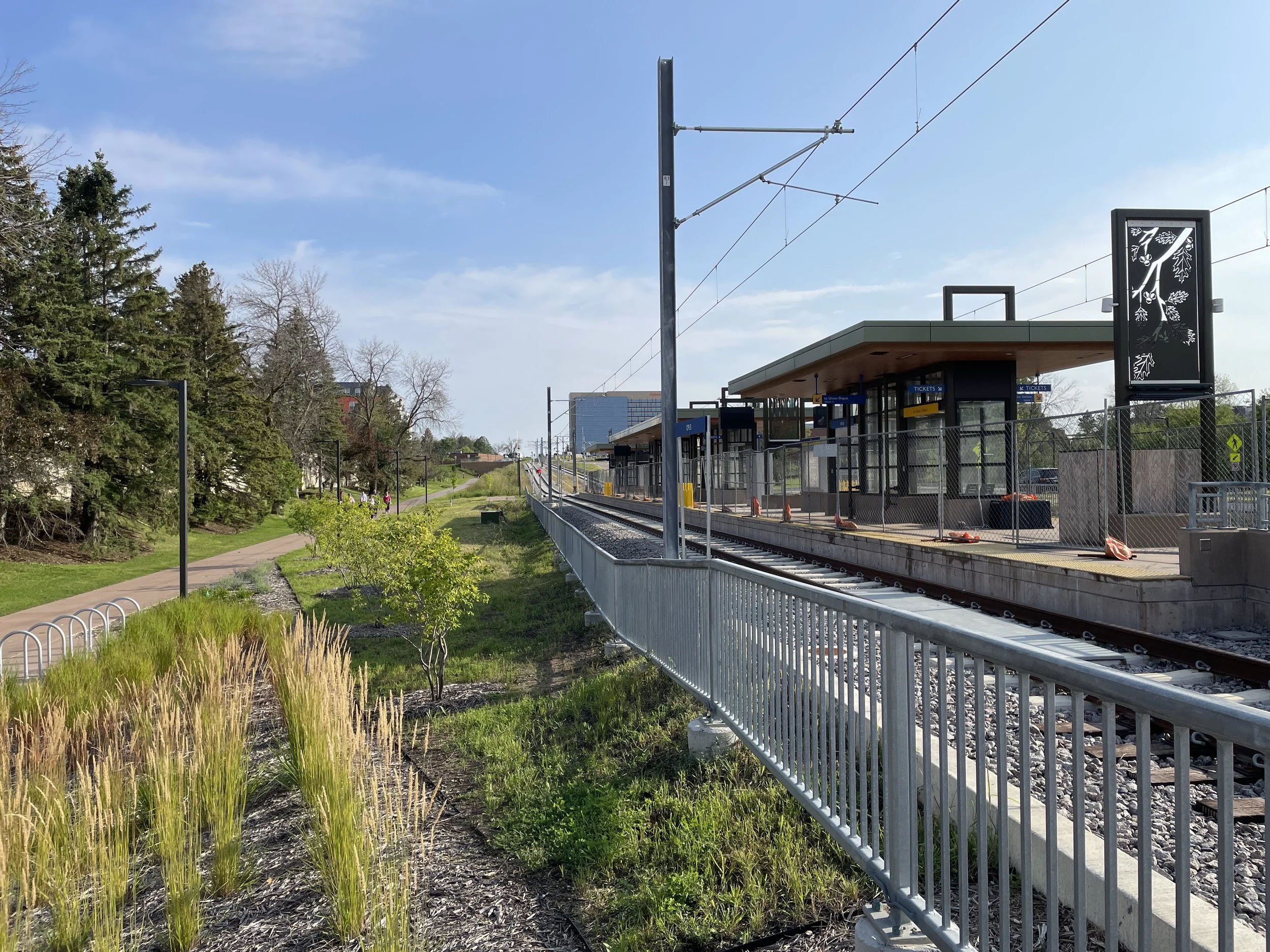
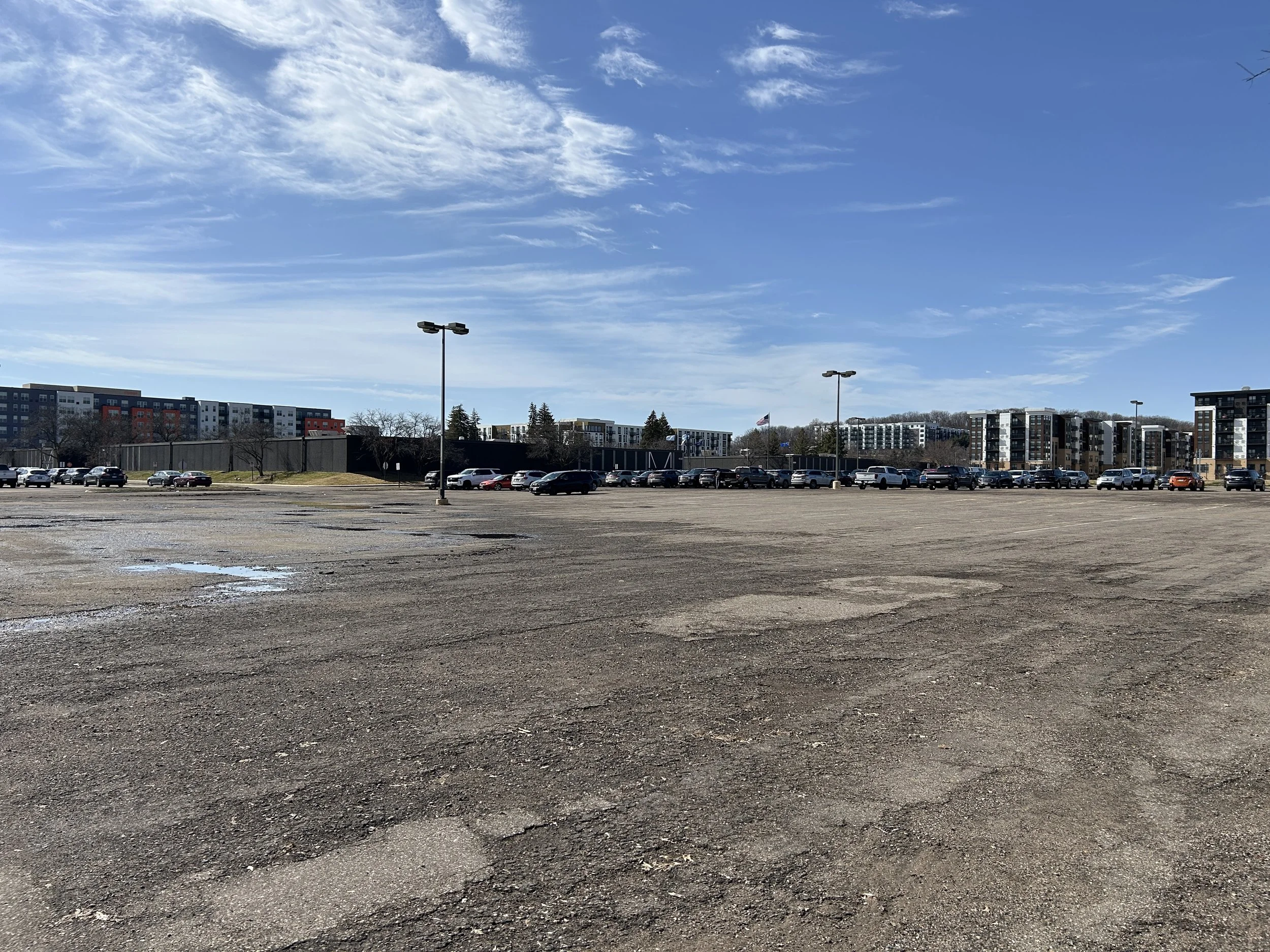
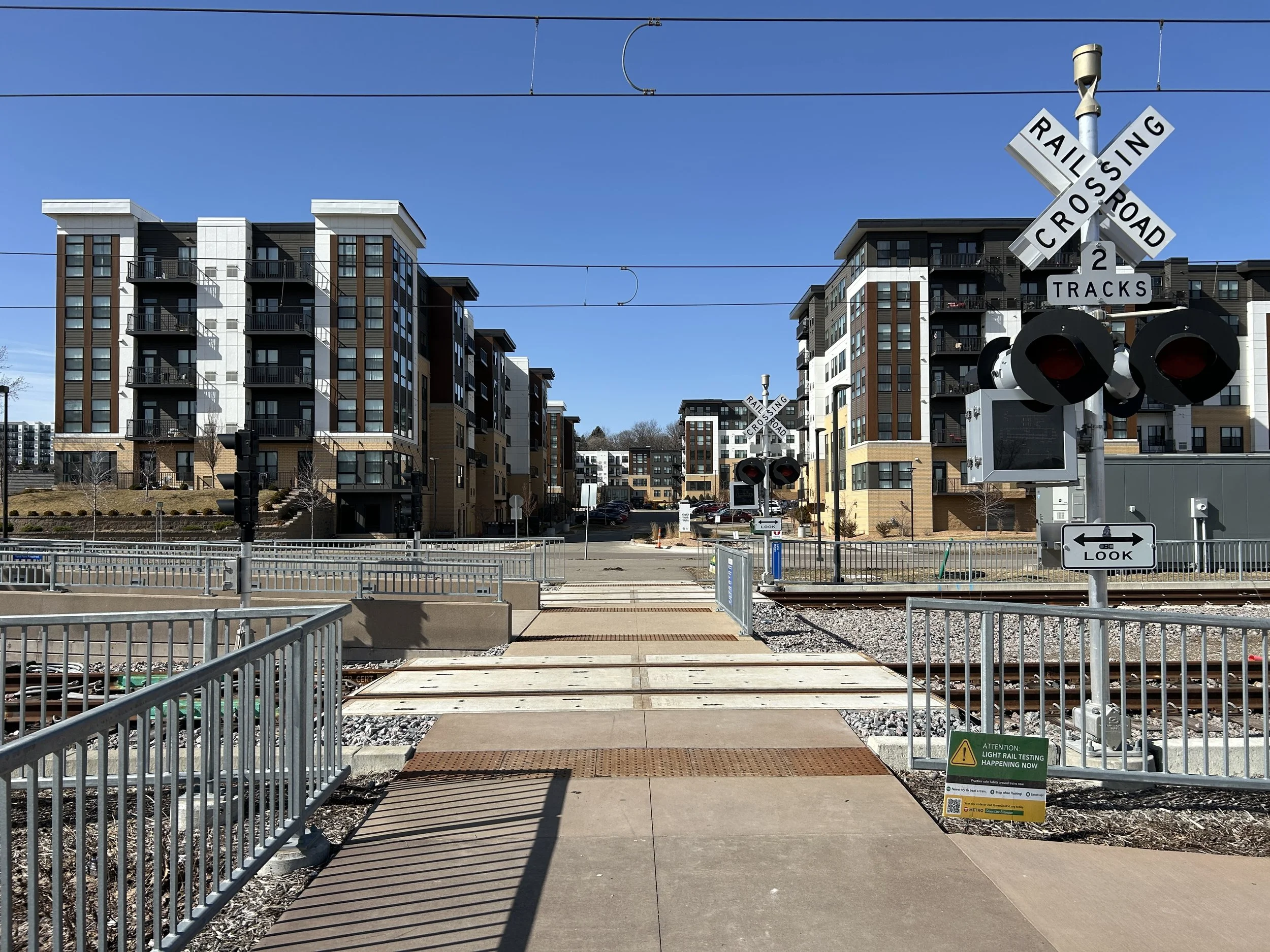
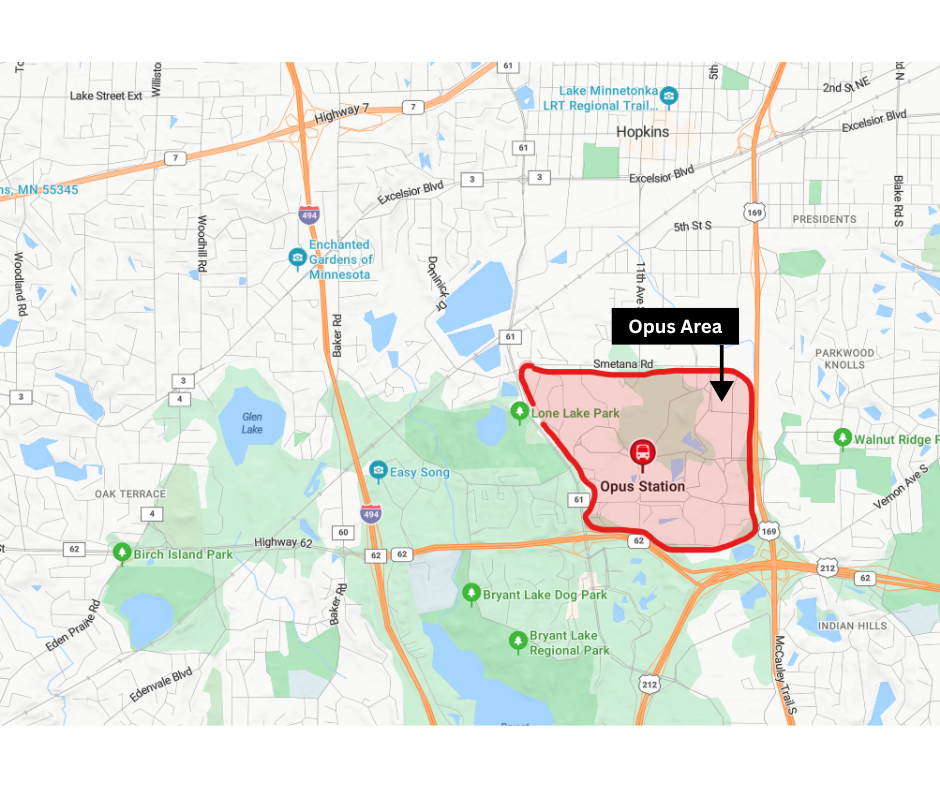
The Opus area is a major employment and activity center but lacks a clear, intentional public gathering space for residents, employees and visitors.
There is a growing opportunity to enhance Opus with an outdoor gathering area. With Minnetonka’s strong emphasis on natural spaces and connection, this development would reflect those values and meet community demand.